

17 technologies that died in 2022 - sheppardahmiltoorly
The circle of life applies as much to technology as IT does to living things, and then every year brings a roll of old products and failed ideas that take in way for newer and better ones.
This yr, we lost some once-iconic products that lost their utility long ago, on with several that probably shouldn't have existed primarily. Here's a rundown of the most notable technology that died in 2017.
#1: AOL Instantaneous Messenger
 Oath
Oath Once a mend of early-aughts dorm rooms, AOL Insistent Messenger logged off this calendar month, taking with it a rich story of away messages, buddy lists, and cheery blooping noises. Executives blamed AIM's demise on a "cultural shift" toward social networks like Facebook, and modern electronic messaging services like WhatsApp, but united could besides argue that AOL blew its personal opportunity to be part of that revolution. In some case, AIM's circumstances was sealed years ago. At least right away we can properly mourn.
Also worth noting: Happening the same sidereal day that Object died, AOL took down CompuServe's forums.
#2: Windows Vista
 Microsoft
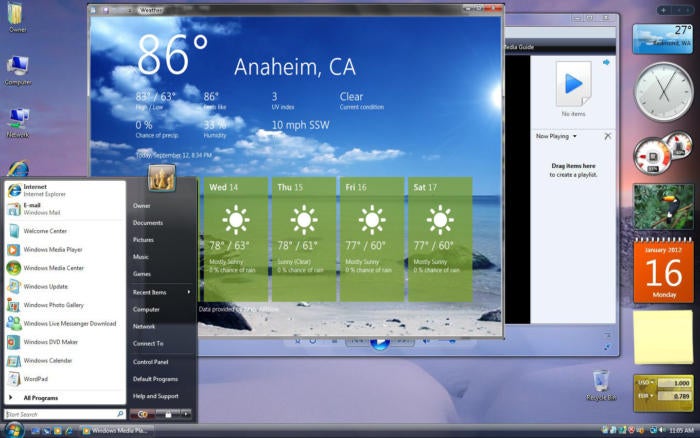
 One of Microsoft's most maligned Windows versions reached the end of its 10-year life-time on April 11. The software that gave us User Account Control and several offensive new DRM mechanisms is no longer receiving security updates, significant that anyone who still clings to Vista for whatever reason is exposing themselves to unpatched vulnerabilities. Next up on Microsoft's death list: Windows 7, whose extended support ends in January 2020.
#3: Windows 10 Maneuverable
 Scar Hachman
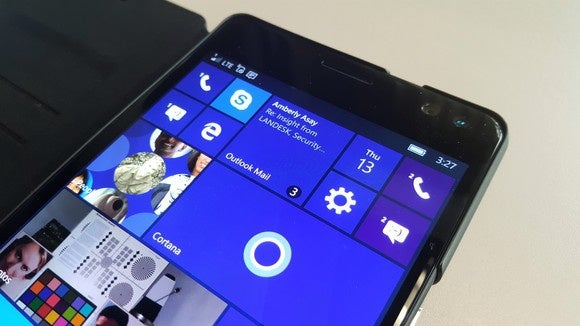
 Microsoft's mobile platform received a dishonorable discharge in October, when VP of operative systems Joe Belfiore told Twitter followers non to carry new features or computer hardware. Windows 10 Mobile was never healthy to achieve a virtuous cycle of users and app developers; even Belfiore said he'd moved onto Android for its condescending ironware and software. On that point's talk of Microsoft taking another crack at mobile again through some unified, standard version of Windows, but Windows 10 Mobile as we know it is dead.
#4: iPod Nano and Shuffle
 Apple
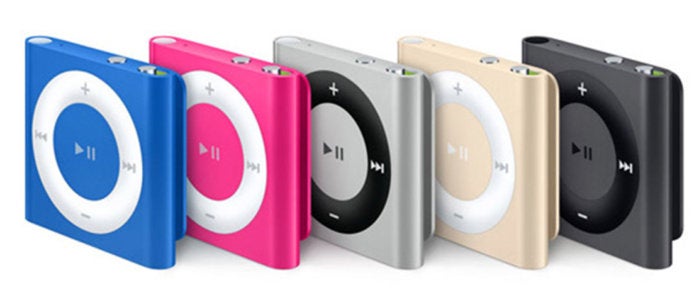
Apple Trine years later on violent death the iPod Classic, Apple culled the iPod Nano and iPad Shambling from its device batting order in July. The iPod Tint is now the lonesome iPod left in the lineup, and even that's more of a multipurpose entertainment device than a standalone media player. With Apple out of the game, the cheap MP3 musician business now belongs to a slew of no-name brands like Hotechs and WiWoo.
#5: CrashPlan for consumers
 Glenn Fleishman / IDG
 The market for unlimited cloud backups got a little less competitive this class with CrashPlan exiting the consumer commercialise to focus on business customers. Users were given two months to either upgrade to a small business plan—which is twice the price at $120 per year—OR ship off to another online backup inspection and repair like Backblaze or Carbonite.
#6: Virago Underground
 Jared Newman / Greenbot
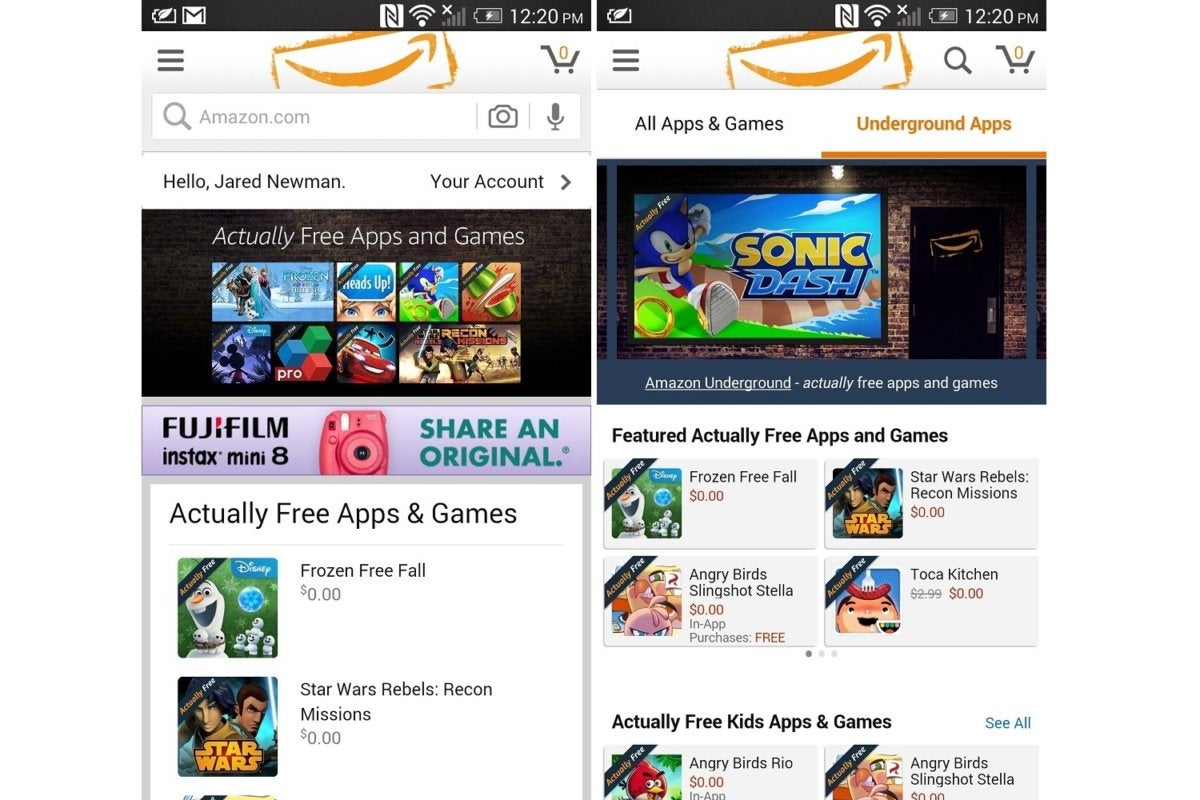
 Later two years of giving away free Android apps and in-back content, Amazon gave up on its Underground computer programme finished the summertime. Although Amazon continues to control its own Mechanical man app store, which is featured on Fire tablets and Fire TV streamers, the company appears to be deemphasizing the computer memory alternatively to Google Play connected Android phones. Without the decoy of free stuff, and with Amazon's own apps now promptly purchasable through the Google Play Memory boar, users have fiddling need for an outward source of apps.
#7: Microsoft Kinect
 Microsoft
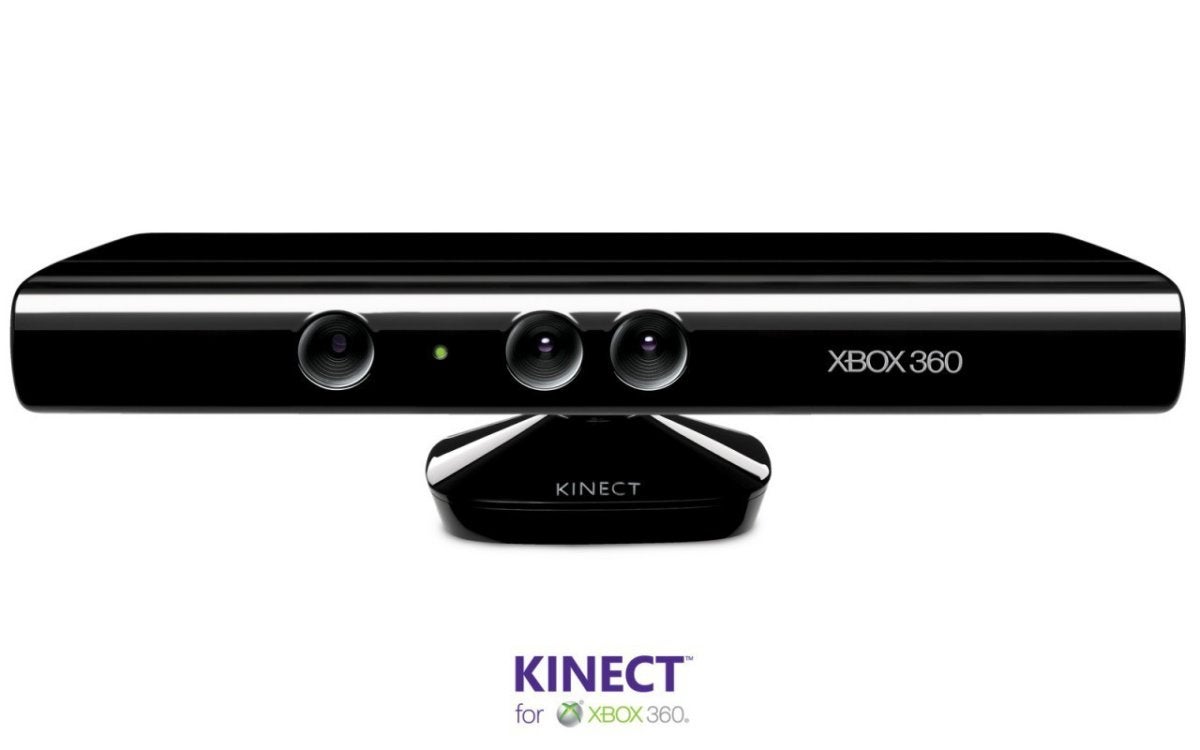
 Microsoft officially called it quits along Kinect in Oct, sevener long time after an explosive Xbox 360 debut. Although the original Kinect was among the quickest-selling gadgets in history, the voice-and-motion controller never ascended beyond gimmick status for gaming, and a big bet along bundling it with the Xbox One only if backfired. At least Microsoft managed to salvage some of Kinect's elements, with the underlying sensor going into Hololens augmented reality headsets, and squad members working on related technologies like Cortana and Windows How-do-you-do.
#8: Groove Music Pass
 Deutschmark Hachman / IDG
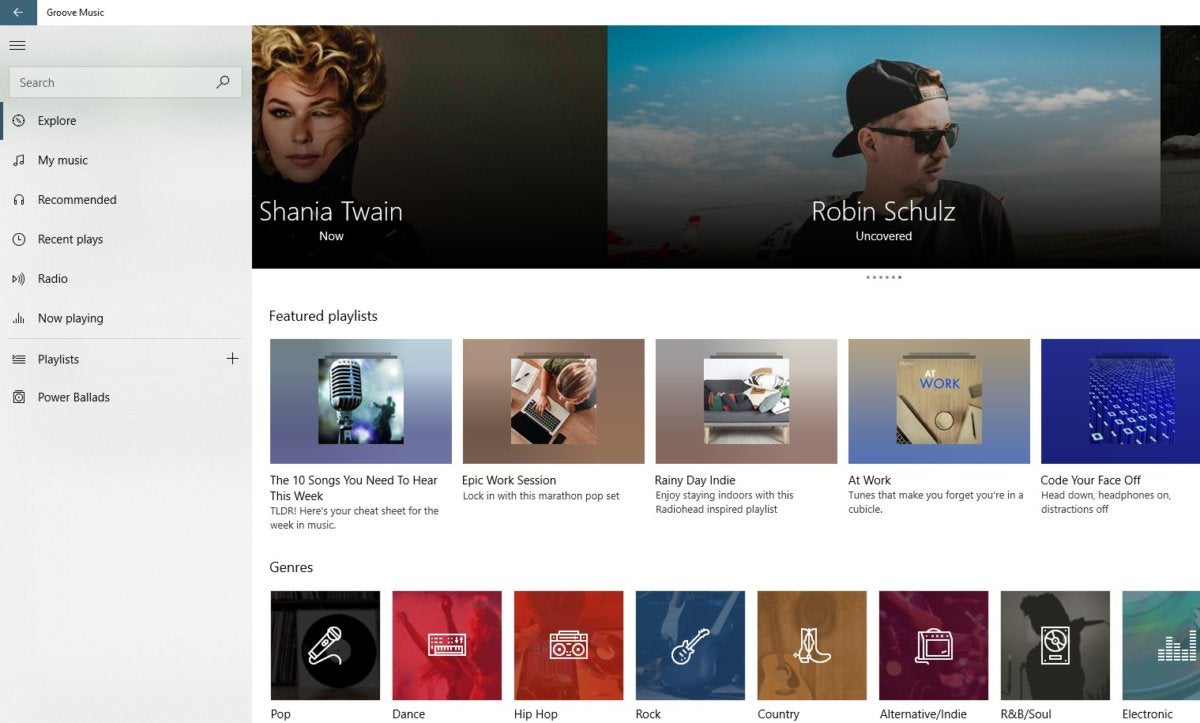
 Sooner or later another product hold out to crop by Microsoft this year, Groove Music Pass will cease to function on Dec 31. Information technology First Baron Marks of Broughton an official end to years of moving music struggles at Microsoft, first with Zune Music Pass, which became Xbox Medicine Pass, which finally became Groove Music Pass in 2015. Users ne'er had much reason to choose for these services over a more established secondary like Spotify, and as Microsoft focuses more on productivity than entertainment, Groove's continuing existence no longer makes sense. At to the lowest degree up-to-date Groove users are getting a 60-day Spotify tribulation and a Spotify migration tool in exchange for sticking IT out.
#9: Google Spill
 Laura Blackwell / IDG
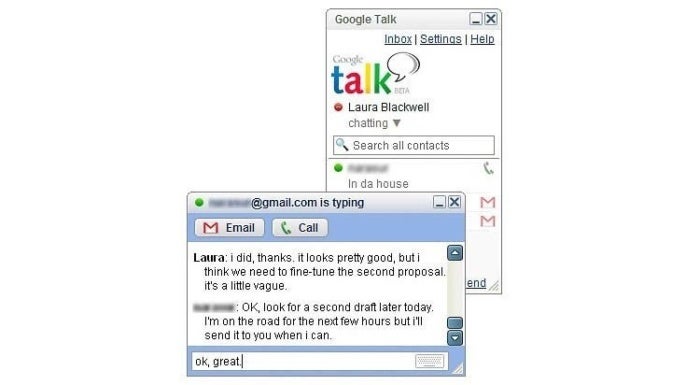
 Gmail's original messenger service, formally called Google Talk only nicknamed GChat, shut down in June later on a 12-year run. Although Google had been migrating users to the more modern Hangouts for years, users still had the selection to follow the older port until this year. The closure brought both much-necessary streamlining to Google's vast messenger app batting order, but with Allo, Android Messages, and Hangouts all competing for tending, there's static some confusion odd for the search giant to clear up.
#10: Lower jawbone
 Jawbone
 Erstwhile a maker of silklike Bluetooth headsets and speakers, Jawbone met its demise in the wear market. The company was cured-funded, with more than than $900 million in venture capital, but had to recall its original UP tracker, and struggled to add active heart rate tracking to its products as rivals were doing then. Ultimately, Jawbone got trounced past Fitbit, Garmin, Apple, and a slew of cheap fitness trackers, and later on flirting with a focus on clinical health sales originally this year, the caller went belly-up in July.
#11: Seeso
 Jared Cardinal Newman / TechHive
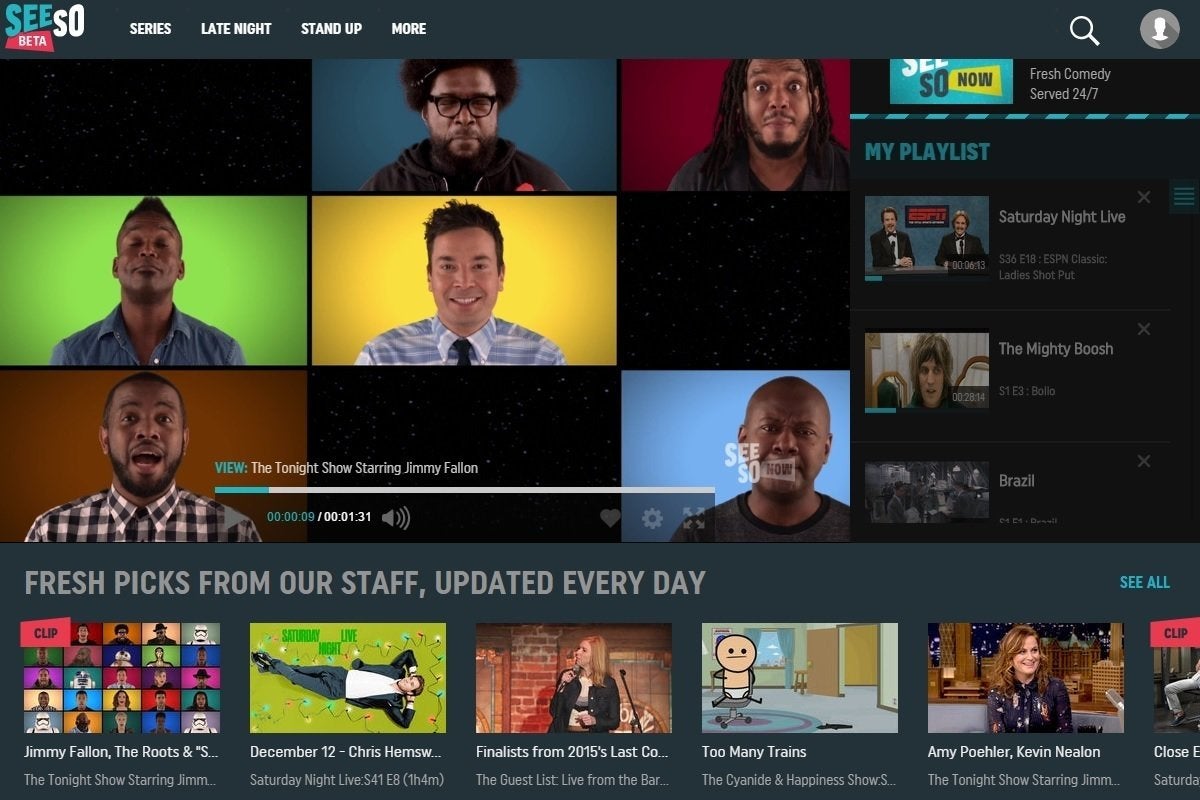
 Billed as a streaming service for comedy geeks, Seeso provided current episodes of late-Nox NBC programming, a back catalog of oddball comedy shows, and—above all—a steady watercourse of original series. IT seemed like a bold bet by NBCUniversal, especially apt its $4 per month interrogatory price and lack of commercials, but unfortunately it didn't get much time to thrive. NBC shut it down to a lesser degree two eld after launch, and while some Seeso originals such atomic number 3 Harmonquest and My Brother, My Blood brother, and Me landed at else services, others simply ceased to exist.
#12: Delicious
 Pinboard
 A relic of the Web 2.0 boom, Delicious (or del.icio.U.S.) let users store and divvy up web bookmarks online. Yahoo bought the site in 2005, and intended to shut it down in 2010 amid a purge of underperforming products. Instead, Delicious changed hands a couple of times, with each new proprietor planning to revitalize the site but never quite figuring out how. In a final twist, longtime touch Pinboard noninheritable the Delicious for close to nothing in June. Pinboard founder Maciej Cegłowski quick determined Delicious to read-but way, and encouraged users to migrate to a professional Pinboard subscription.
"Do not attempt to compete with Pinboard," Cegłowski wrote in a blog post.
#13: Amazon's unlimited storage
 Jared Newman / PCWorld
 Amazon didn't give much of an explanation when IT killed off oceanic Cloud Drive storehouse this year. Merely like unusual cloud storage providers that have abandoned their bottomless plans—Microsoft, Mozy, and Bitcasa among them—Amazon presumably didn't want to shoulder the burden of repositing hogs anymore. In June, the company started charging $60 per terabyte, and gave users 60 days to either make up the toll operating theatre take their data elsewhere. Non that many options are left, equally providers have increasingly realized that unlimited storage is leisurely to market, but nearly impossible to sustain.
#14: Ubuntu on phones
 BQ
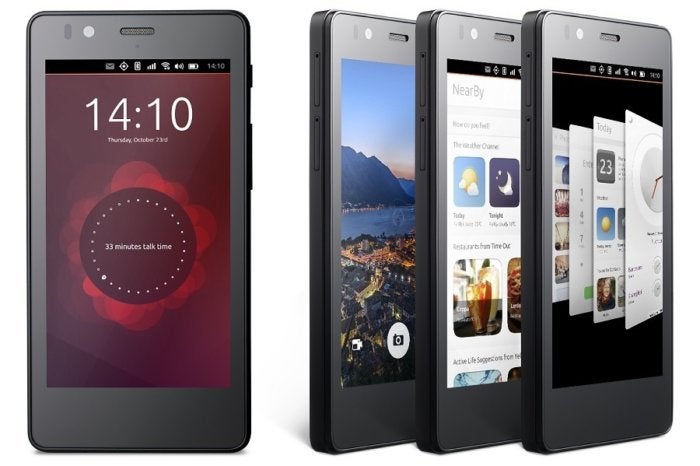
BQ Canonical's attempt at smartphone/PC convergence met its end in April, as the company as Ubuntu scrapped the Unity interface that was meant to keep going both phones and Linux PCs. Next twelvemonth, Canonical will revert to the Gnome shell that had been the default until 6 years ago, while turning to cloud and Internet of Things applications atomic number 3 its main focus beyond the desktop. Information technology's a temporary step backwards for the long-running Linux distro, but probably a lucre positive for users. And IT means, in some little right smart, that 2018 will be the twelvemonth of the Linux desktop.
#15: Net neutrality
 FCC
FCC As prospective ever since Ajit Pai took helm of the Federal soldier Communication theory Charge in January, the FCC voted in December to raze the rules that require cyberspace providers to treat all dealings fairly. The vote reverses a better policy shift enacted under former chairman Tom Wheeler, simply information technology's too Simon Marks the first time the Federal Communications Commission has walked away from some kind of net neutrality enforcement some. This steers the internet into chartless territory, in which providers are free to congeal up nonrecreational fast lanes for well-funded internet services, reduce transparency, and use punitive information caps to prioritize their ain services.
#16: The Copyright On the job System
 Center for Right of first publication Info
 Also titled the "sise strikes" policy, the Right of first publication Argus-eyed System turned cyberspace service providers into opposing-plagiarism enforcers for the amusement industry. When a copyright holder detected plagiarisation along peer-to-peer networks, ISPs would hunt the offending subscriber, and send an escalating series of warnings, culminating in throttled speeds, temporary access restrictions, or mandatory viewing of educational materials. The system ne'er very had teeth, since it didn't mandate that ISPs turn over client's IP addresses for cause purposes, but IT was still criticized for its limited transparentness and deficiency of auspices against wrongful accusations. For directly, it's unclear what, if anything, will replace the programme.
#17: Juicero
 Juicero
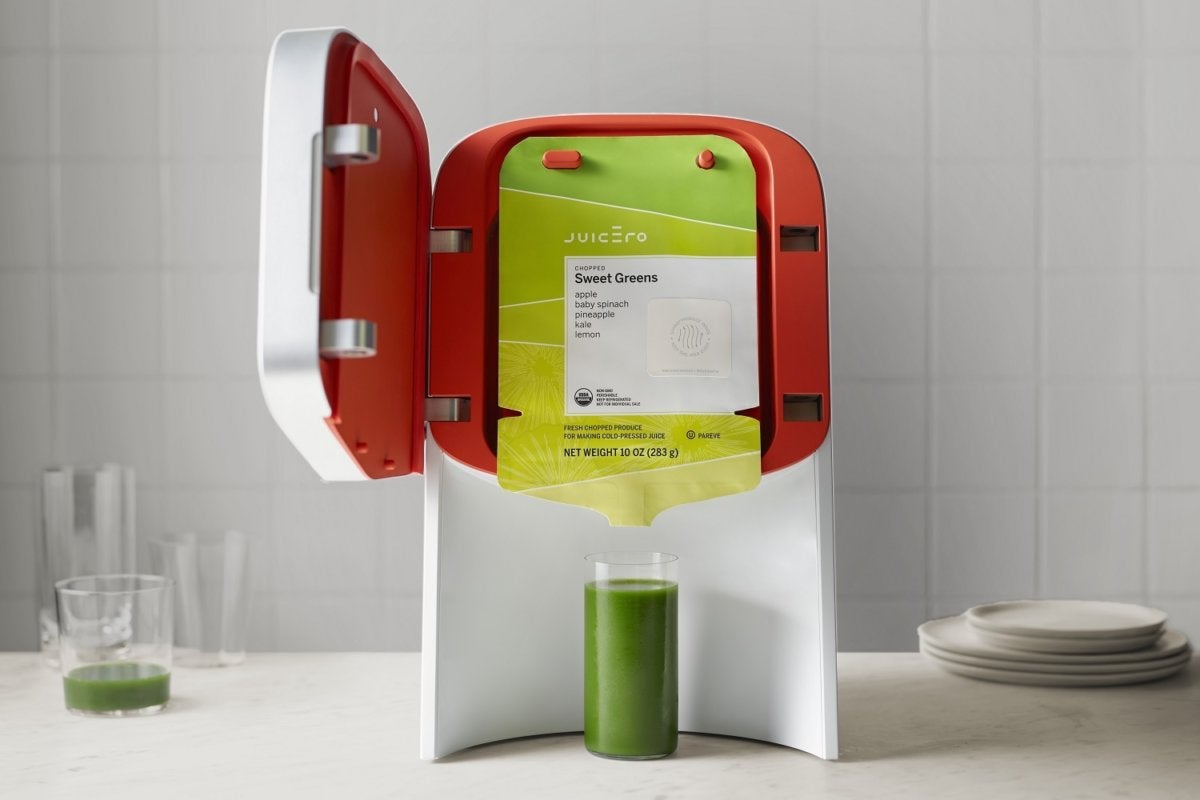
 Let's stop this list happening a cleansing note: This year, the market definitely rejected the notion of a $700 connected succus machine that depends on proprietary, $7-and-up juice packets. Juicero was already troubled in Jan, when it slashed prices and replaced its founding CEO. An Apr exposé by Bloomberg likely sealed the startup's fate, demonstrating how hand-squeeze the packets was even as utile at extracting the nectar inside. Juicero shut pile less than six months later. At to the lowest degree folks who bought the pricey hardware were able to get refunds.

Source: https://www.pcworld.com/article/407726/technology-that-died-in-2017.html
Posted by: sheppardahmiltoorly.blogspot.com
0 Response to "17 technologies that died in 2022 - sheppardahmiltoorly"
Post a Comment